On a U-100 insulin syringe, researchers typically draw 5 to 10 units per administration, which equals 2mg to 4mg of total blend
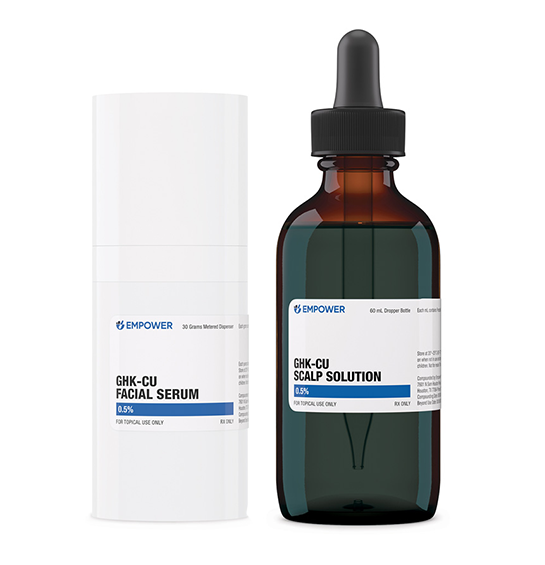
Infused with Magnolia Liliflora Flower, Angelica Keiskei Leaf/Stem Extract, and Centella Asiatica to calm irritation, deeply nourish the skin, and promote natural regeneration and improved elasticity
Learn proper dosing, injection technique, reconstitution, and storage through our comprehensive guides - peptide injections guide , how to reconstitute peptides , peptide storage guide , bacteriostatic water for peptides , water to mix with peptides , how long reconstituted peptides last in fridge
Visual signs of degradation Injectable GHK-Cu changes: Clear to cloudy (bacterial growth or precipitation) Color change (bluish, greenish tint from copper oxidation) Particles floating in solution Separation or settling Topical serum changes: Darker color (oxidation) Layer separation Texture changes (thicker or thinner) Crystallization Powder changes: Color darkening Clumping (moisture absorption) Greenish or bluish tint Loss of fine powder consistency Smell and texture changes Off odors: Metallic smell intensifying (some metallic odor is normal for copper peptides) Sour or rancid smell (bacterial contamination or lipid oxidation in serums) Any unusual smell different from when first opened Texture issues: Serum becoming grainy Unusual thickness or thinning Sticky residue Separation that doesn't re-mix Effectiveness loss Signs of reduced potency: Reduced healing speed (injectable) Less visible skin improvement (topical) Need to use more product for same effect Complete lack of expected results When in doubt: Discard and get fresh product